
Essential information
| Location | |
|---|---|
| Price | Free |
The Pacific is the world’s largest ocean, covering one third of the globe. Its vast sea connects thousands of islands and many diverse cultures.
For thousands of years Tangata Moana – the peoples of the Pacific – have navigated across this mighty ocean, using the skilled art of wayfinding to guide them on their journeys. Not until the 16th century did Europeans begin to explore the region.
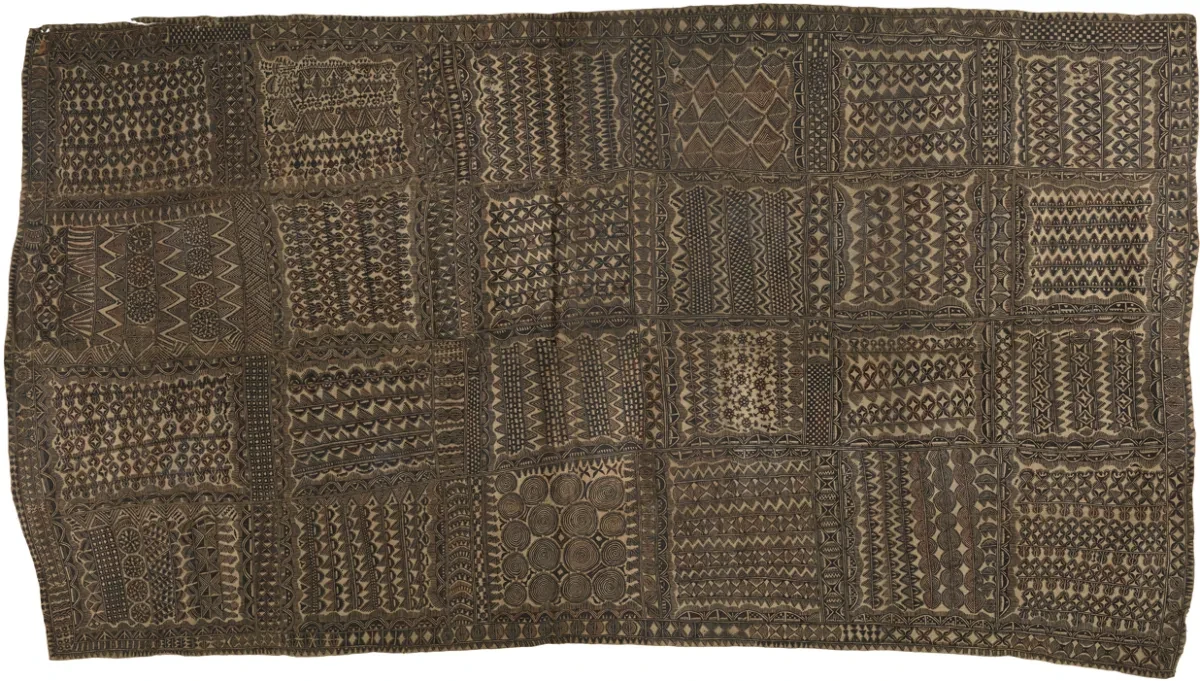
The Pacific Encounters gallery at the National Maritime Museum examines the early encounters between Pacific communities and European explorers, and explores the legacies of those encounters today.
Image
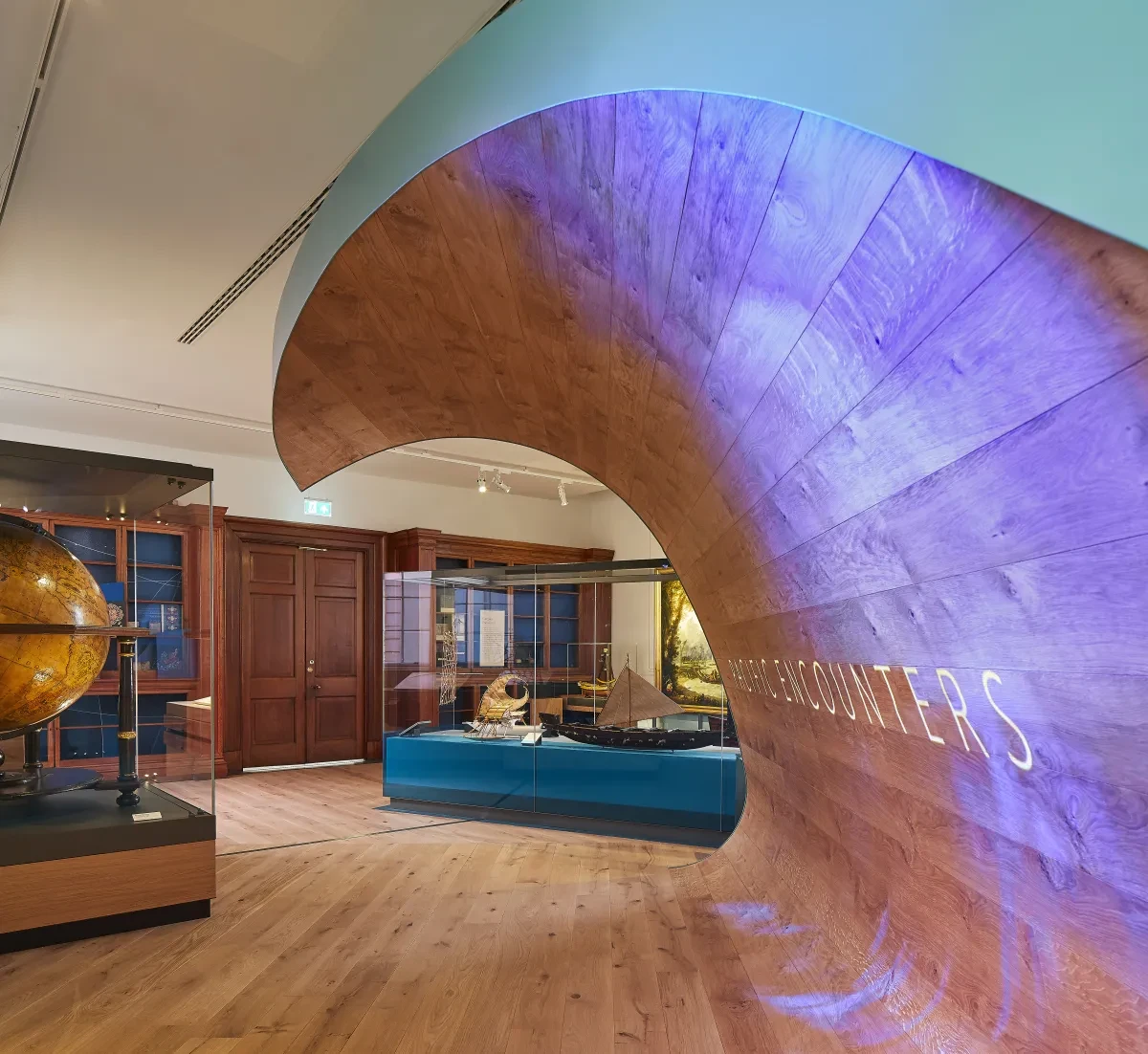
Inside the gallery
This gallery was created in collaboration with all communities from across the Pacific Ocean, based both in the UK and the Pacific.
For Tangata Moana (peoples of the Pacific Ocean), many ‘objects’ housed or displayed in European museums are precious cultural and ancestral treasures; powerful, sacred, breathing and connected. Respecting these treasures acknowledges their mana, or power.
European voyages to the Pacific began to increase during the 18th century. This was prompted by an interest in science and exploration – to map the region’s coasts and islands and record its wildlife and cultures – but also to identify land and resources for trade and exploitation.
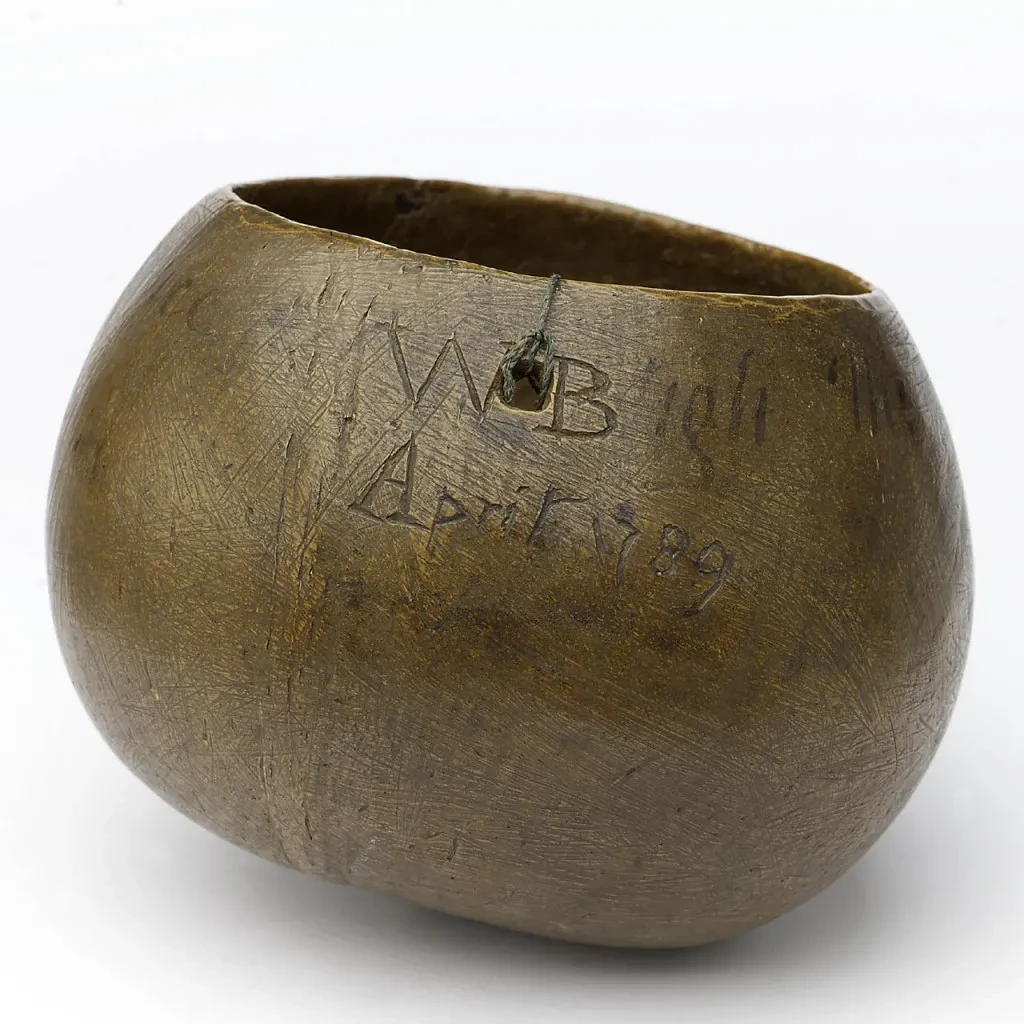
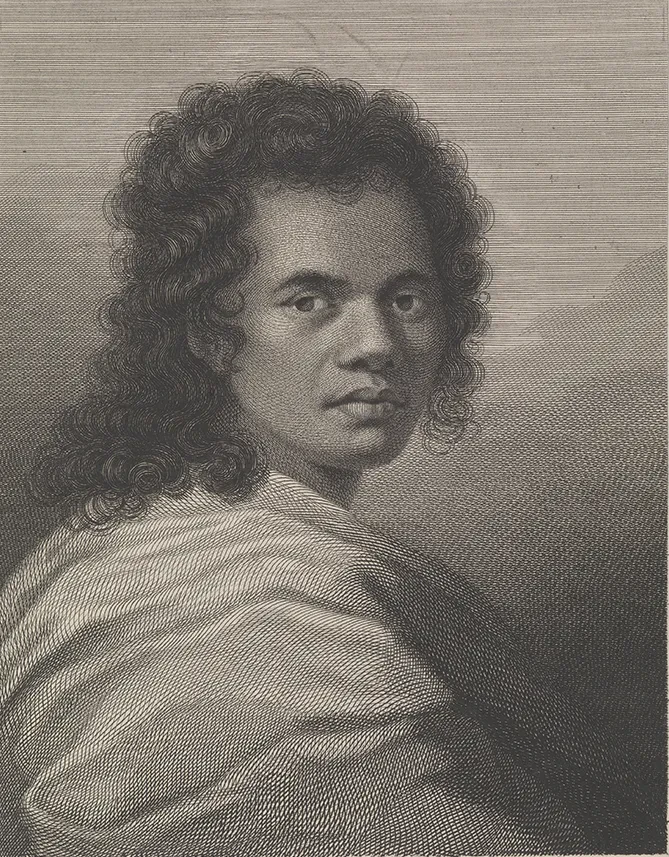
In Britain, many of these expeditions were commissioned by the Admiralty. Between 1768 and 1780, Captain James Cook embarked on three voyages to the Pacific. Cook’s voyages brought new information that aided Western understanding of the world. However, they also brought lasting consequences for Pacific communities.
In the wake of Cook’s voyages, European missionaries, settlers and administrators arrived across the Pacific. While some interactions between Europeans and peoples of the Pacific were positive, many were violent, resulting in the loss of life, land and cultural heritage. The gallery aims to be a space to address these difficult legacies.
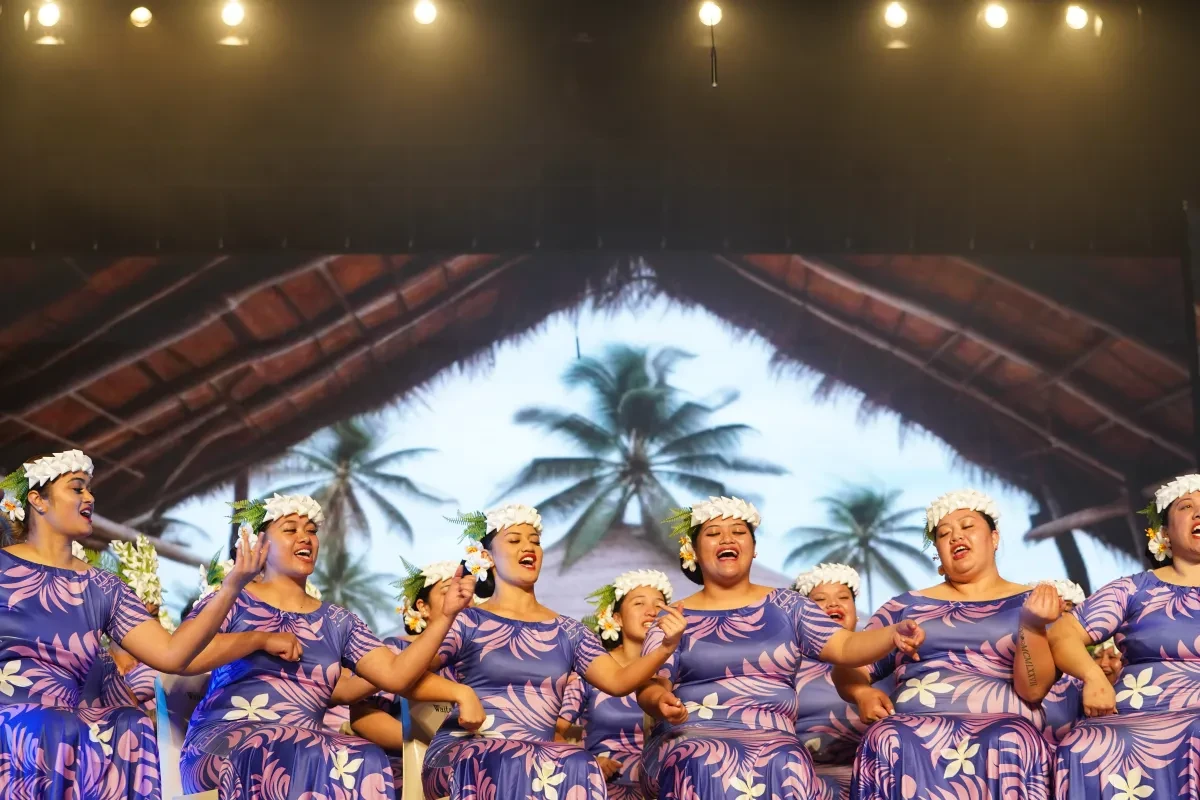
More recently, there has been a revival of the arts, heritage, customs and cultures of the Pacific – a source of pride and a cause for celebration across the ocean and its diverse communities.
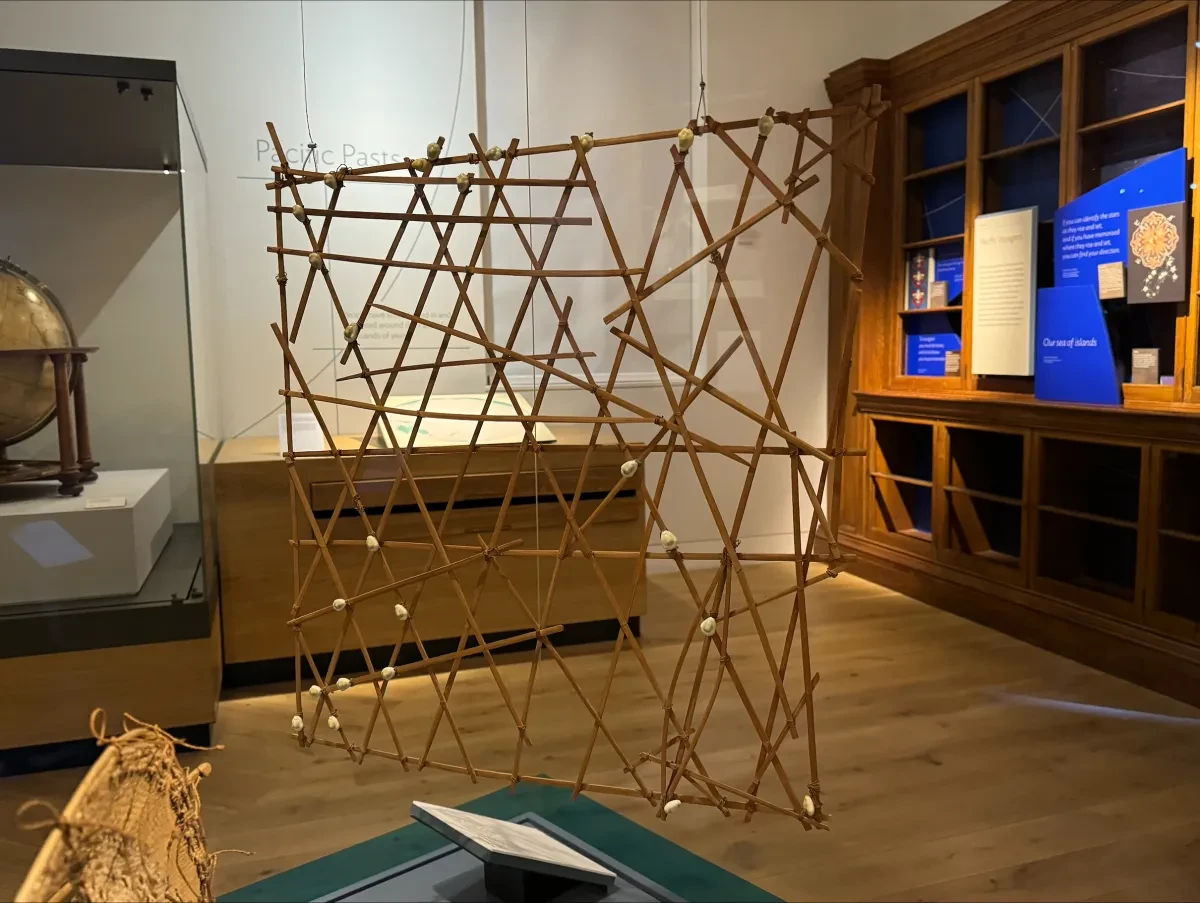
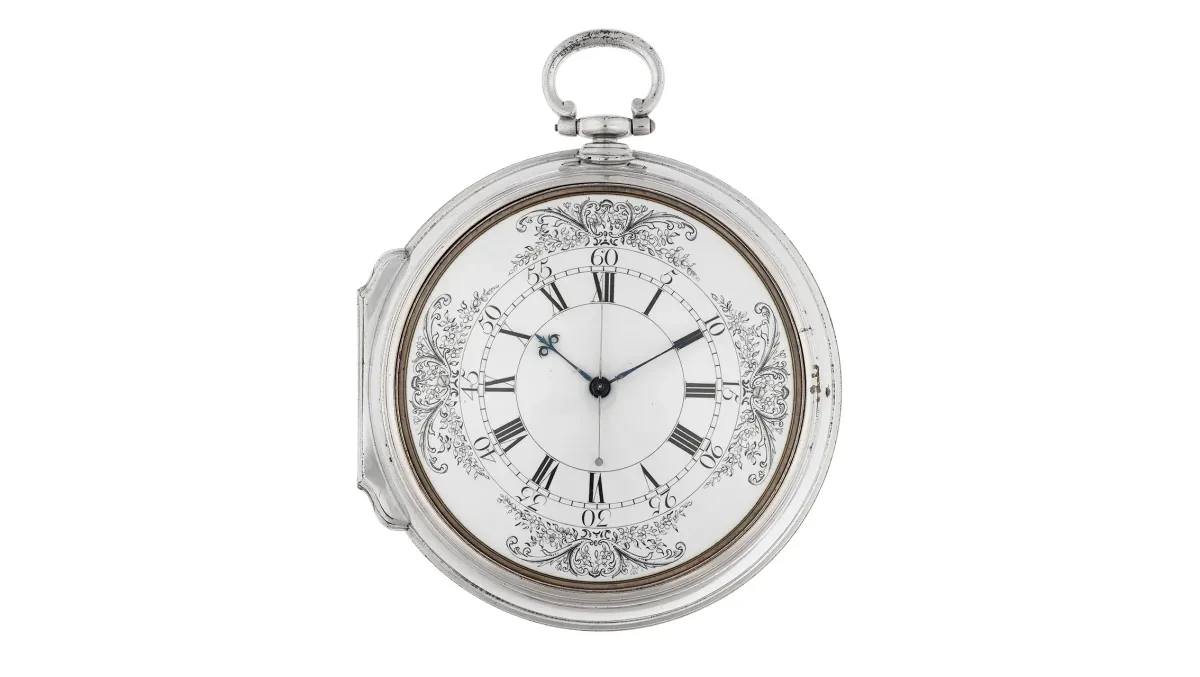
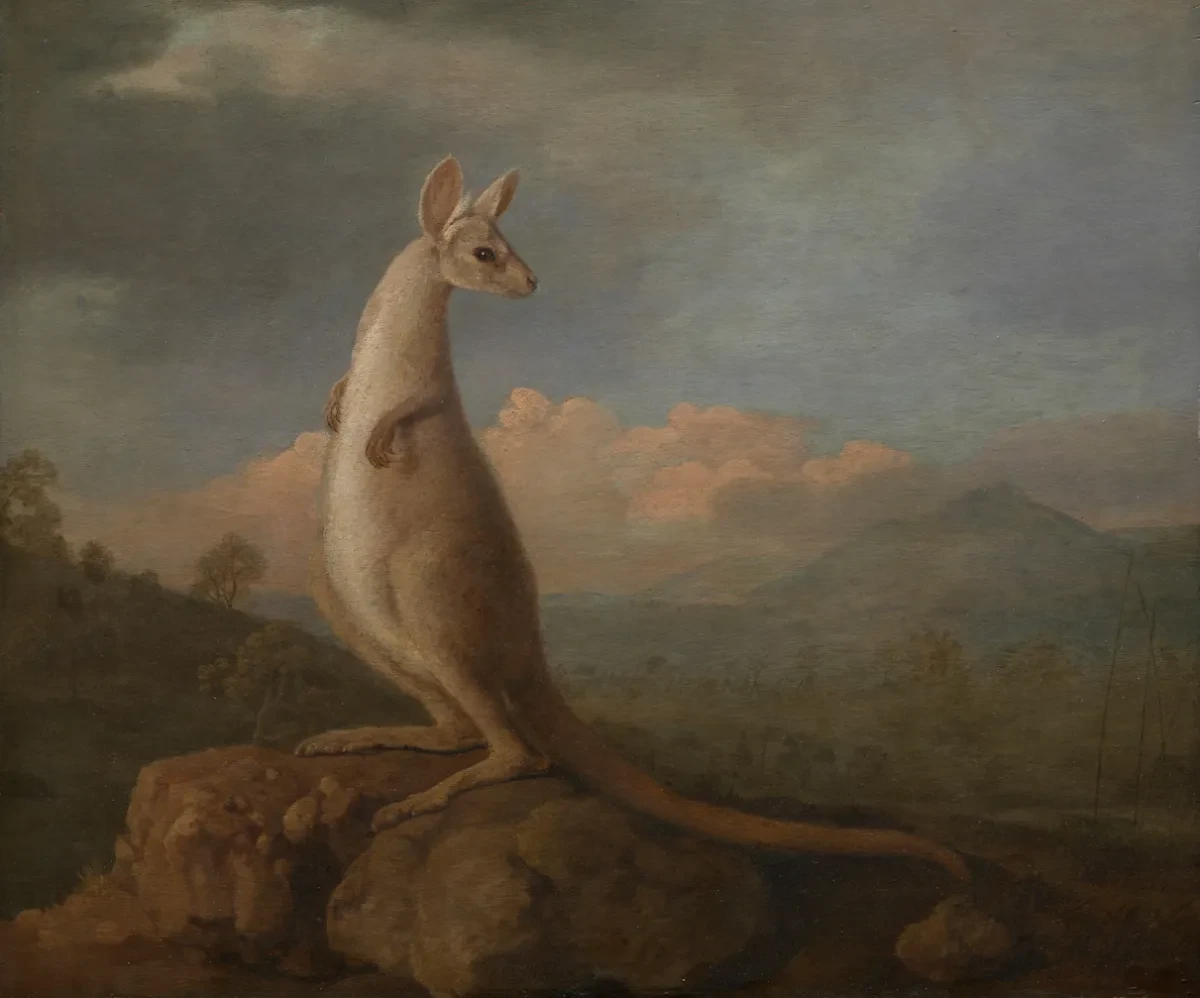
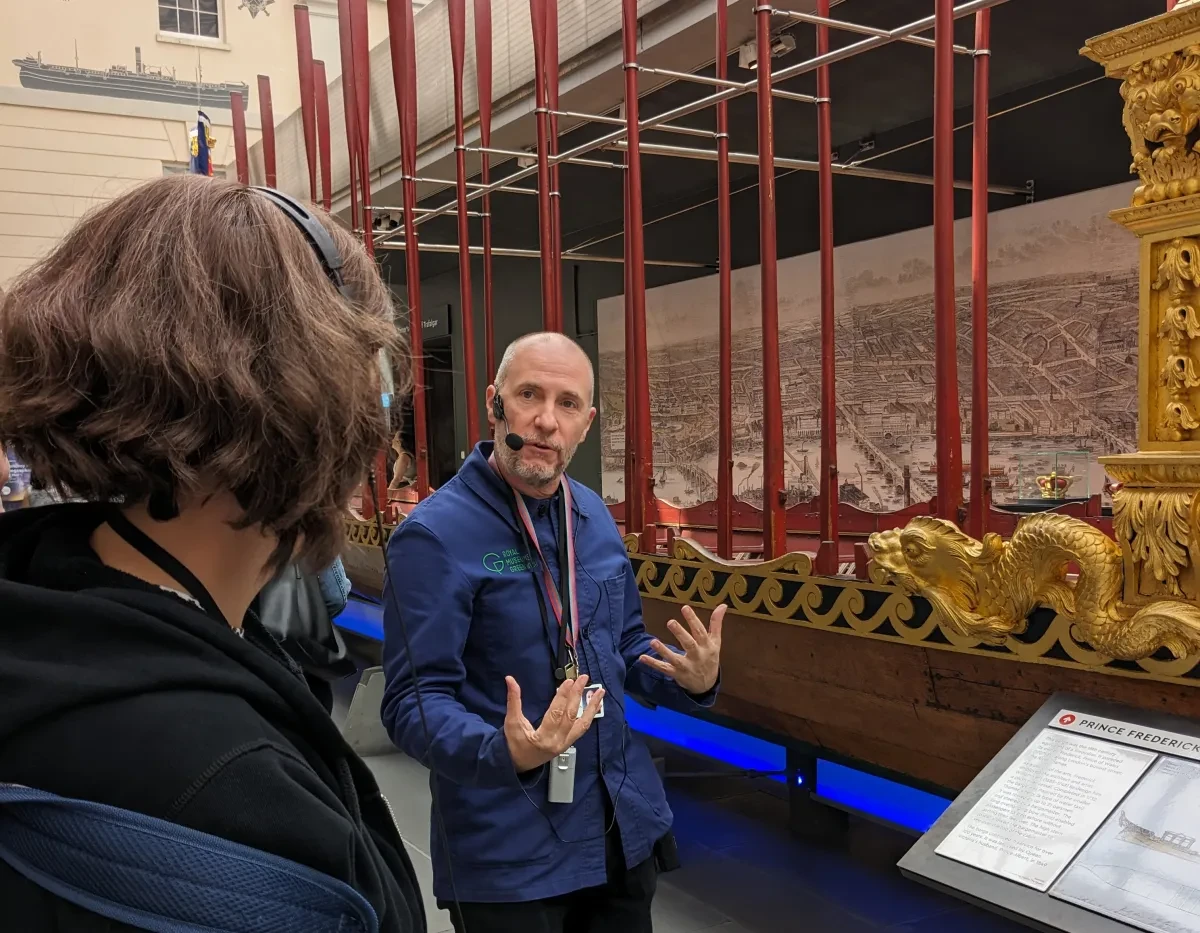
Visiting Pacific Encounters
Where is the gallery?
Pacific Encounters is a permanent gallery at the National Maritime Museum in Greenwich, located on the first floor. Entry to the Museum is free: book tickets online in advance to guarantee entry and receive updates before you visit.
Tours and audio guides
Pacific Encounters features as part of the range of audio guides available at the National Maritime Museum. Listen to a free introduction to the gallery here, or find out more about objects on display by ordering a special Treasures Tour.
Accessibility information
There are two ways into the Pacific Encounters gallery. One is through automatic doors from the south end of the gallery (from the Sea Things gallery) and the
other is over a sloped bridge which slopes down from the Ocean Map to the gallery.
This slope has several level changes in it and we advise taking your time when accessing the gallery from this point. There are railings along each side of the bridge.
The slope flattens out part way down the first section, then again at the corner.
At each end of the Pacific Encounters gallery is a circular map at a height of 78cm at the south end and 93cm at north end. The north map has a set of two drawers in the cabinet. The drawers are quite heavy but pull out. Each contains a map. One is at 66cm and the other at 78cm. Paintings are displayed at a range of heights starting at 55cm to above head height. Display cabinet heights range from 66cm to 78cm, and some from near floor level.
There are several tactile objects in the Pacific Encounters gallery. These are:
- a ship's gun from the Endeavor (which has a raised emblem on),
- a statuette of Matthew Finders and cat
- a telescope.
There is also a tactile interactive about the Mutiny on the Bounty at 85cm height.
The Transit of Venus telescope is displayed at 125cm high, but the film can be seen from a seated distance, the button for the film is at 90cm. There is also a touch screen AV.
There are five touch screens in the gallery at 79cm high. One features video, audio, BSL and subtitles; three with text and images; one is a map-building game. On the south west wall is a wall mounted screen ‘Continuing Traditions’ showing a video with audio, subtitles and BSL. There are four benches in the gallery.
There are four screens on the south-east wall displaying photographs. At each end of the gallery are automatic glass doors. There is a ramp at the South door leading down to a stone floor in the rotunda area.
BSL is included as part of the National Maritime Museum audio guide. There are four chapters about the Pacific Encounters gallery in the audio guide. Large print guides are also available inside the gallery.
Gallery closures
Occasionally some gallery closures may affect your visit to the National Maritime Museum.
Make the most of your visit
Find more free galleries and attractions at the National Maritime Museum.
Tickets and Opening
Free entry
10am-5pm daily
- Greenwich Station
- Cutty Sark DLR
- Maze Hill Station
- Greenwich Pier
Delve deeper


Visit the National Maritime Museum
Discover epic stories of exploration and endeavour that have shaped our world today